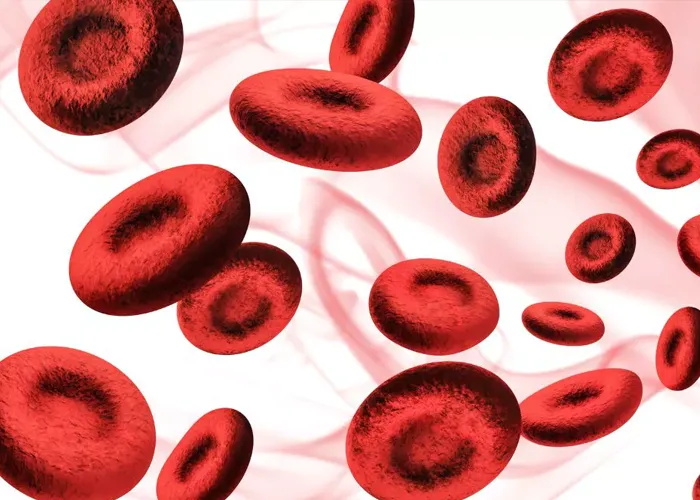
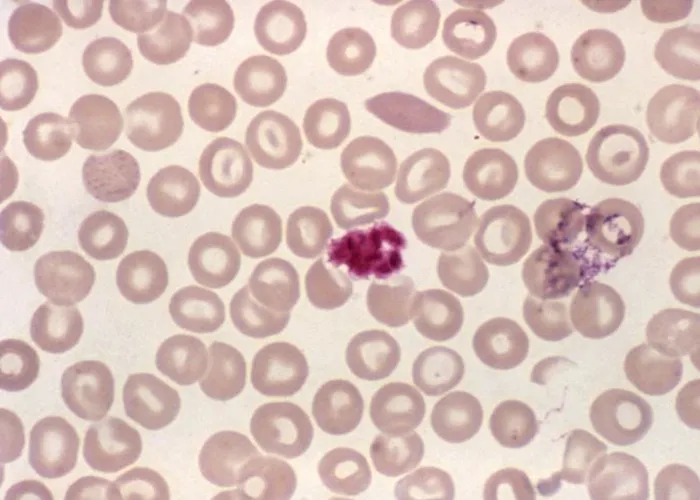
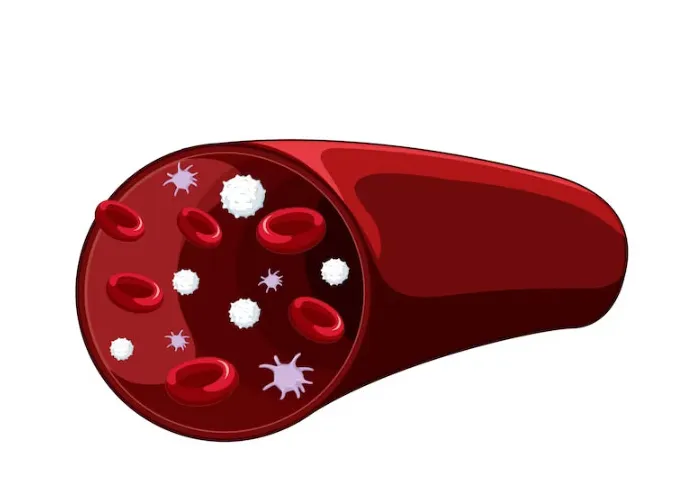
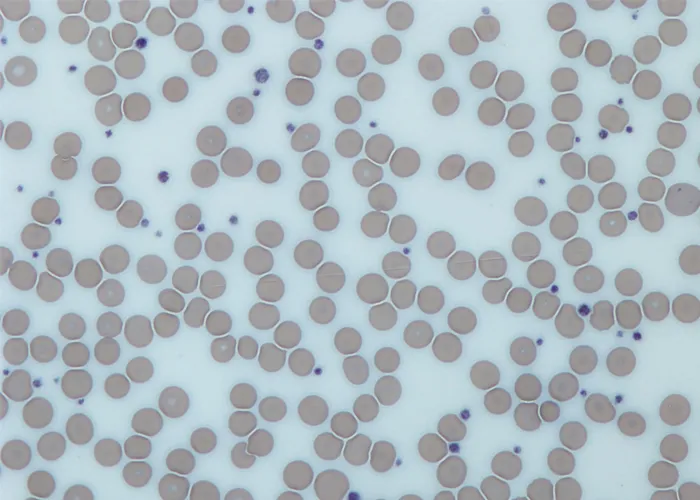
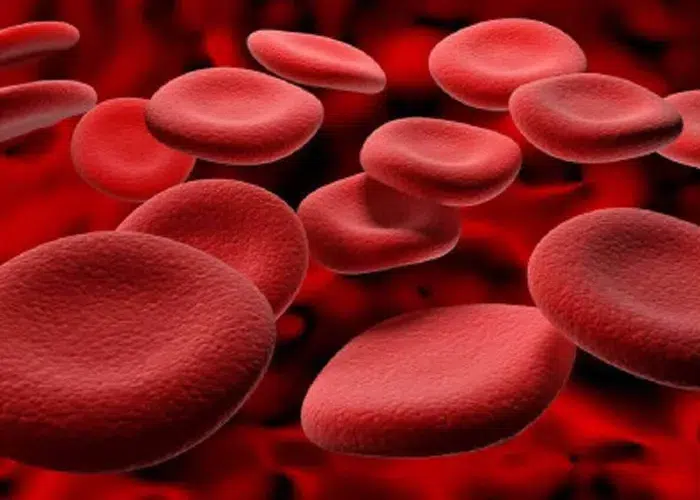
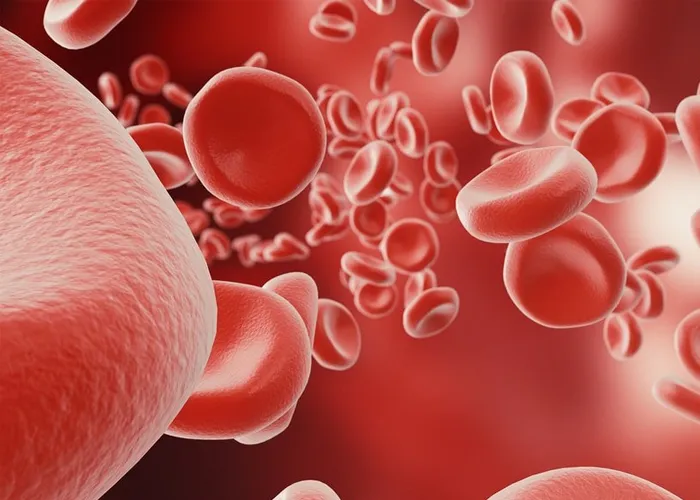
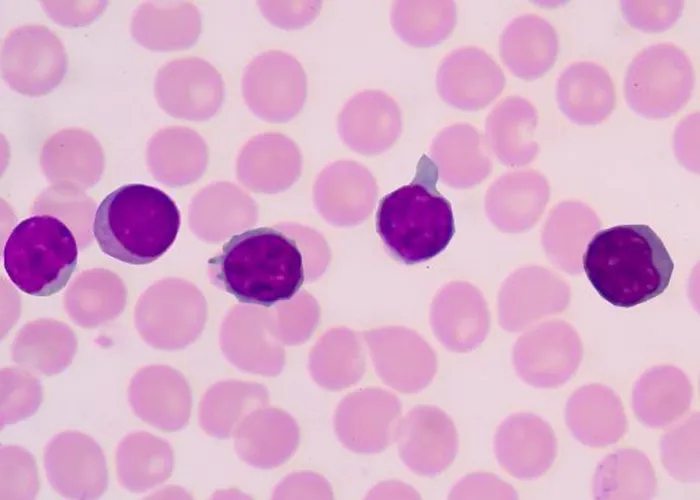
Red blood cells are responsible for carrying oxygen from your lungs to the rest of your body and returning carbon dioxide from your body to your lungs to be exhaled. A normal RBC count helps detect various health conditions such as anemia or dehydration.
HGB (Hemoglobin Count)
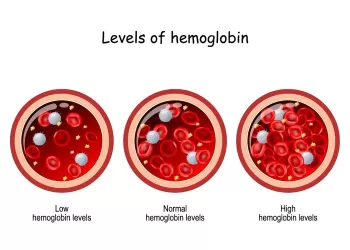
Hemoglobin is the protein inside red blood cells that binds to oxygen and transports it through the body. A low hemoglobin level indicates anemia, which means you don’t have enough healthy red blood cells to carry oxygen throughout your body.
Normal Range: 13.8 to 17.2 grams per deciliter (g/dL) for men, and 12.1 to 15.1 g/dL for women.
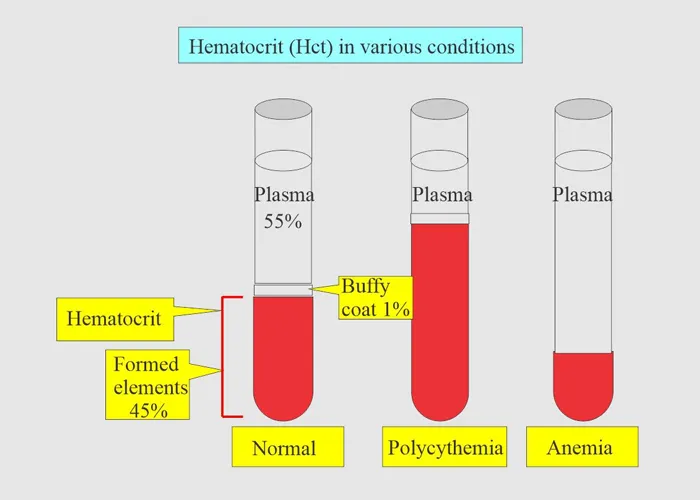
HCT (Hematocrit Count)
Hematocrit is the proportion of red blood cells in your blood. It is measured as a percentage of total blood volume. Abnormal levels of hematocrit may indicate dehydration or other medical conditions.
HGB / HCT Ratio (Hemoglobin / Hematocrit Ratio)
The HGB/HCT ratio compares the amount of hemoglobin in the blood (HGB) to the total volume of red blood cells (HCT). It helps in identifying potential issues like anemia or dehydration. A balanced ratio is important for proper oxygen transport in the body.
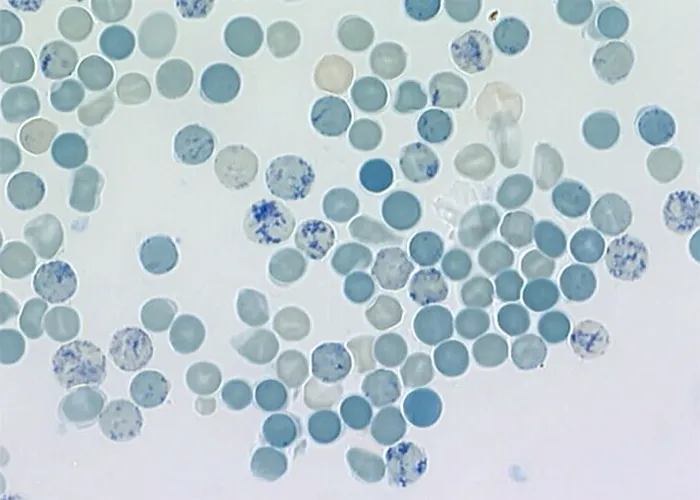
RTC (Reticulocytes Count)
The reticulocyte count measures the number of immature red blood cells in your blood. This helps doctors assess your bone marrow’s ability to produce new red blood cells, which is important in diagnosing anemia and monitoring blood loss recovery.
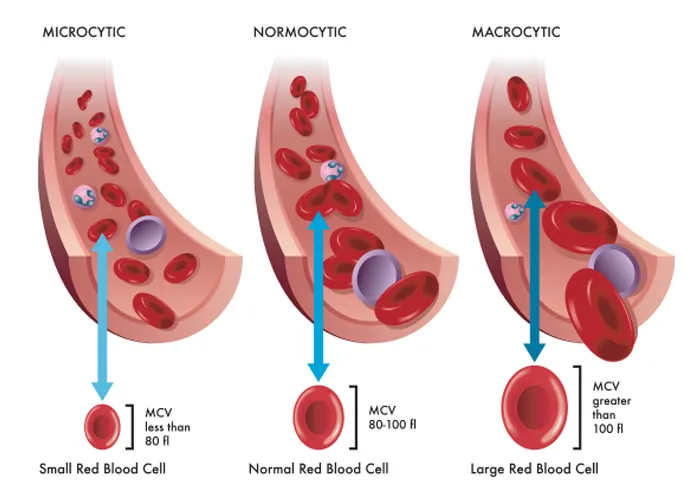
MCV (Mean Cell Volume)
MCV refers to the average size of your red blood cells. It is used to help classify the type of anemia. A higher or lower MCV may indicate specific conditions, such as vitamin deficiencies or dehydration.
MCH (Mean Corpuscular Hemoglobin)
MCH measures the average amount of hemoglobin inside each red blood cell. It helps assess the oxygen-carrying capacity of your red blood cells. Abnormal MCH levels can indicate anemia or other blood-related disorders.
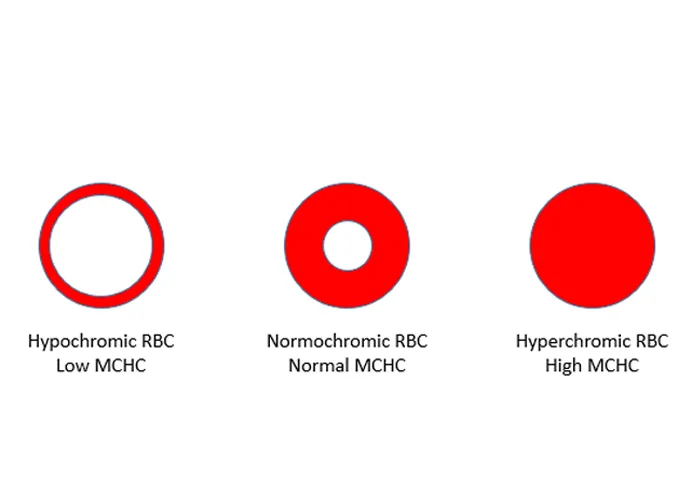
MCHC (Mean Corpuscular Hemoglobin Concentration)
MCHC is a measure of the concentration of hemoglobin in a given volume of red blood cells. It helps to determine if your red blood cells are normal or if they are more concentrated, as seen in certain conditions like spherocytosis.
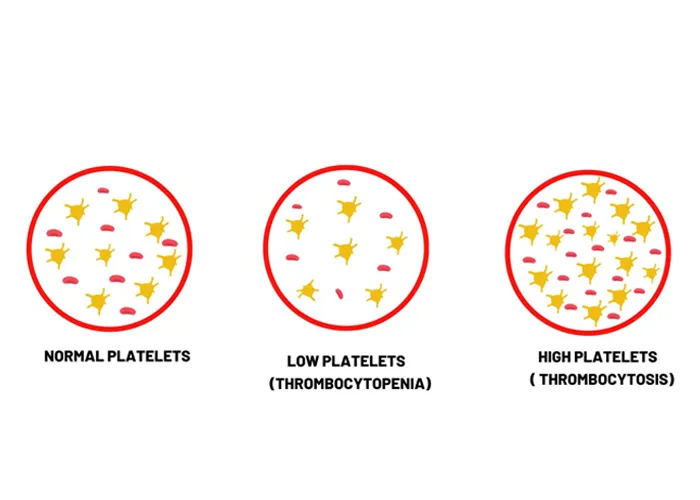
PLT (Platelet Count)
Platelet count measures the number of platelets in your blood. Platelets help with clotting and stopping bleeding. Abnormal platelet counts can indicate bleeding disorders or risks of excessive clotting.
PLR (Platelet / Lymphocyte Counts Ratio)
The PLR ratio compares the number of platelets to lymphocytes in the blood. An increased ratio can be linked to inflammation or certain cancers, helping doctors monitor inflammatory diseases or immune responses.
MPV (Mean Platelet Volume)
MPV measures the average size of your platelets. Larger platelets can indicate an increased platelet production in response to blood loss or disorders like bone marrow conditions.
PDW (Platelet Distribution Width)
PDW assesses the variation in the size of your platelets. High PDW values may suggest certain platelet disorders or bone marrow problems, which affect clotting and bleeding.
RDW-SD (Red Cell Distribution Width A)
RDW-SD measures the variation in the size of your red blood cells. High RDW can indicate anemia, iron deficiency, or other blood-related disorders, helping doctors understand the cause of blood cell abnormalities.
RDW-CV (Red Cell Distribution Width B)
Similar to RDW-SD, RDW-CV evaluates the variability in red blood cell sizes, but using a different method. An increased RDW-CV is often associated with nutrient deficiencies or blood disorders.
WBC (White Blood Cell Count)
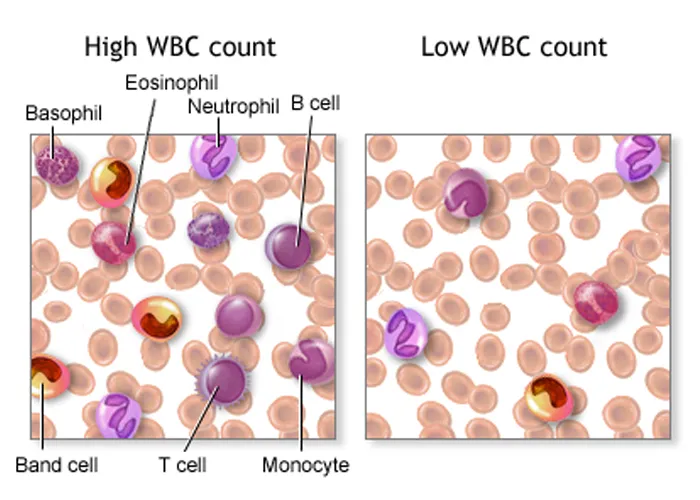
The WBC count measures the number of white blood cells in your blood. White blood cells help fight infections and protect the body from diseases. An abnormal WBC count could indicate infections, immune disorders, or blood cancers.
NEUT % (Neutrophil Percentage)
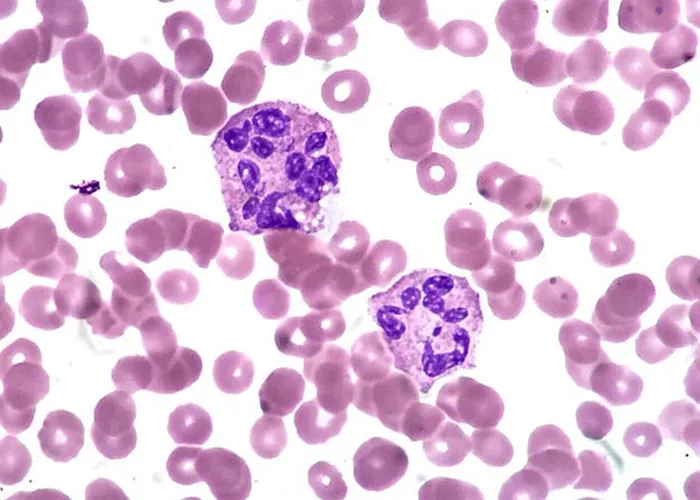
NEUT % refers to the percentage of neutrophils (a type of white blood cell) in your blood. Neutrophils help fight bacterial infections. An increase or decrease in neutrophils can indicate infection, inflammation, or other health conditions.
NEUT # (Neutrophil Count)
The neutrophil count measures the total number of neutrophils in your blood. High or low neutrophil counts can be a sign of infection, bone marrow issues, or immune disorders.
LYM % (Lymphocyte Percentage)
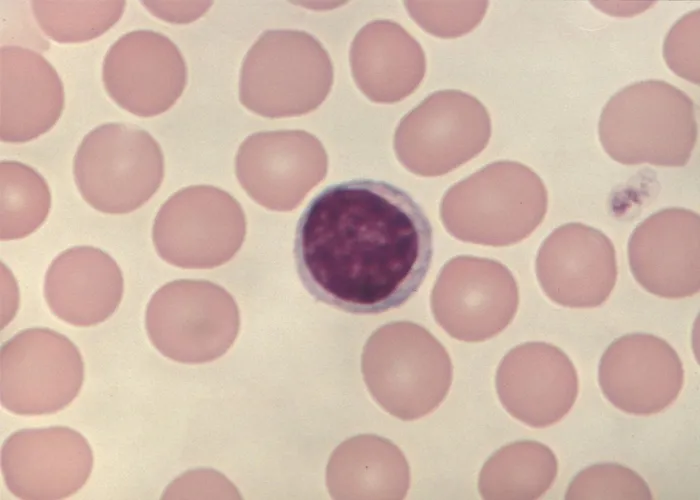
LYM % is the percentage of lymphocytes (another type of white blood cell) in your blood. Lymphocytes play a key role in fighting viral infections and regulating immune responses. Abnormal lymphocyte levels may indicate viral infections or immune system disorders.
LYM # (Lymphocyte Count)
The lymphocyte count measures the actual number of lymphocytes in your blood. A high or low lymphocyte count can indicate viral infections, immune deficiencies, or chronic conditions like leukemia.
MXD % (Mid Range Percentage)
MXD % measures the percentage of mid-range cells, such as eosinophils, basophils, and monocytes, in the blood. These cells are part of your immune system and help fight infections. An abnormal value may indicate allergic reactions or infections.
MXD # (Mid Range Count)
The MXD count tracks the actual number of mid-range immune cells (eosinophils, basophils, and monocytes) in your blood. This value can help identify inflammation, allergies, or certain types of infections.
HealthGuard 62™ Form
Vita Longevity with NMN+
Vita Liver Support IV Infusion
Vita Lungs Support IV Infusion
Senior Tuneup IV Infusion
Member Patient Electro NAD IV Infusion
Vita Longevity with NAD+
You can see how this popup was set up in our step-by-step guide: https://wppopupmaker.com/guides/auto-opening-announcement-popups/